
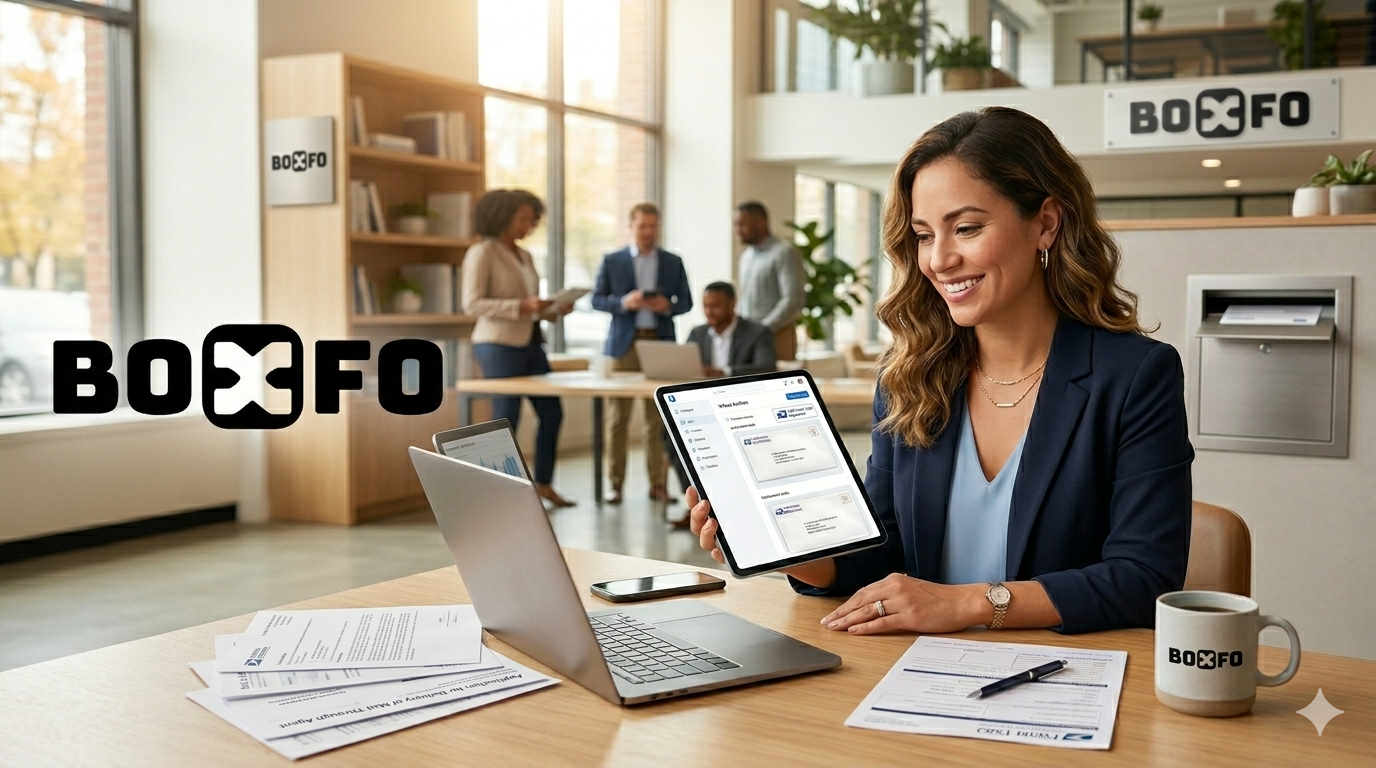
Mail Forwarding Rules and Compliance Every Business Must Know in 2026
Businesses today rely heavily on remote operations, virtual offices, and digital communication tools. However, physical mail still remains essential for receiving legal notices, tax documents, banking correspondence, compliance paperwork, and official government communication.This is why mail forwarding has become an important solution for modern businesses.
Whether you run a startup, an e-commerce business, a remote company, or an international business, using a secure mail forwarding service helps ensure you never miss important business mail.
However, many businesses overlook a critical factor: USPS compliance and mail forwarding regulations.
Improper mail forwarding setups can lead to delayed notices, rejected government documents, security risks, and compliance problems. Understanding the rules behind business mail forwarding is essential for protecting your business operations.
In this guide, we’ll explain everything businesses need to know about mail forwarding rules, USPS compliance, Form 1583, secure mail handling, and how virtual mailbox platforms like Boxfo.com help businesses manage mail securely and efficiently.
What Is Mail Forwarding?
Mail forwarding is the process of redirecting physical mail from one address to another.
Businesses commonly use a mail forwarding service when they:
Operate remotely
Use a virtual business address
Work across multiple locations
Travel frequently
Expand into new states or countries
Want to separate personal and business mail
Modern mail forwarding services now offer much more than simple redirection. Many virtual mailbox providers allow businesses to:
View scanned mail online
Forward packages internationally
Store documents securely
Access business mail remotely
Manage correspondence digitally
This flexibility makes mail forwarding services essential for modern remote businesses.
Why Mail Forwarding Compliance Matters for Businesses
Many businesses assume mail forwarding is a simple process. In reality, business mail forwarding must comply with USPS regulations and identity verification requirements.
Failure to follow compliance rules may result in:
Missed legal notices
Delayed IRS communication
Returned government mail
Mail security risks
Identity verification issues
Lost business correspondence
Business mail often contains highly sensitive information such as:
Tax records
Legal contracts
Financial statements
Banking documents
Customer information
Compliance notices
This is why businesses should only use a secure and compliant mail forwarding service.
USPS Mail Forwarding Rules Every Business Should Know
Business mail forwarding in the United States is regulated by the United States Postal Service.
Any business receiving mail on behalf of customers must operate as a Commercial Mail Receiving Agency (CMRA).
This applies to:
Virtual mailbox providers
Mail forwarding companies
Mailbox rental services
Digital mail management providers
These regulations are designed to prevent:
Mail fraud
Identity theft
Unauthorized mail handling
Illegal forwarding activity
Businesses should always verify that their mail forwarding service follows USPS compliance standards and identity verification requirements.
USPS Form 1583 Explained
One of the most important requirements for using a mail forwarding service is USPS Form 1583.
This form authorizes a CMRA or virtual mailbox provider to legally receive mail on behalf of a business or individual.
Without USPS Form 1583 approval, third-party mail forwarding is not legally permitted.
What Businesses Need for Form 1583
To complete the verification process, businesses generally need:
A completed USPS Form 1583
Two valid forms of ID
Business registration documents
Address verification documents
For LLCs and corporations, business names must exactly match official state registration records.
Even small inconsistencies can create delays or rejected verification requests.
What Types of Mail Can Be Forwarded?
Most standard business correspondence can be handled through a professional mail forwarding service.
Common Types of Forwarded Business Mail
Businesses commonly forward:
Business letters
Contracts
Financial documents
Customer correspondence
Bank statements
Packages and parcels
Vendor invoices
Sensitive Mail That May Require Extra Handling
Some types of mail require additional verification or handling procedures, including:
IRS notices
Court documents
Certified mail
Government correspondence
Legal notices
Certain agencies may require a physical business address rather than only a forwarding address.
This is why choosing a compliant virtual mailbox provider is important.
Security and Privacy Risks in Mail Forwarding
Business mail often contains confidential and sensitive information.
Improper mail handling can expose businesses to:
Data breaches
Mail theft
Identity fraud
Lost legal documents
Compliance violations
A secure mail forwarding service should provide:
Secure mail storage
Controlled mail access
Encrypted digital mail scanning
Verified mail handling procedures
Privacy protection policies
Businesses handling financial, legal, or customer information should prioritize secure mail management solutions.
Best Practices for Staying Compliant With Mail Forwarding
Businesses using mail forwarding should follow proper compliance and security practices to avoid delivery issues, legal complications, or missed business communication. Since important documents like tax notices, legal letters, and banking statements are often sent through physical mail, maintaining an accurate and compliant setup is essential.
Keep Business Information Updated
Your business mailing address should always match your official registration records, tax documents, banking information, and state filings. Inconsistent address information can create verification issues and may cause delays when receiving important government or financial correspondence.
For businesses using a virtual mailbox or mail forwarding service, keeping records updated becomes especially important when changing office locations, business structures, or company ownership details.
Update USPS Form 1583 When Required
USPS Form 1583 authorizes a third-party provider to receive and manage mail on behalf of your business. If your business changes ownership, updates its address, or modifies its legal structure, the form may need to be updated to remain compliant.
Many businesses forget this step, which can eventually create mail handling or verification issues. Regularly reviewing authorization documents helps ensure uninterrupted mail access.
Use a USPS-Compliant Mail Forwarding Service
Not all providers operate under proper USPS guidelines. Businesses should always choose a professional mail forwarding service that operates legally as a Commercial Mail Receiving Agency (CMRA).
A compliant provider follows identity verification procedures, secure mail handling protocols, and USPS regulations designed to protect businesses from fraud, unauthorized mail access, and delivery issues.
Using a trusted provider also helps ensure important mail is handled professionally and securely.
Monitor Business Mail Regularly
Many legal notices, tax documents, and compliance letters are time-sensitive. Businesses should regularly review incoming mail and digital notifications to avoid missing deadlines or urgent communication.
Virtual mailbox platforms make this easier by allowing businesses to access scanned mail remotely and manage correspondence online from anywhere.
Consistent monitoring helps businesses stay organized and reduces the risk of overlooked documents.
Protect Sensitive Business Documents
Business mail often contains confidential information such as financial records, legal paperwork, contracts, customer data, or employee information.
To reduce security risks, businesses should limit who has access to incoming mail and use secure digital storage systems whenever possible. A secure mail forwarding service should also provide encrypted mail scanning, controlled access, and safe mail storage procedures.
Protecting sensitive documents is not only important for business operations but also for maintaining customer trust and regulatory compliance.
Following these best practices helps businesses maintain compliance, improve mail security, and avoid unnecessary operational risks while using a professional mail forwarding service.
Why Businesses Use Virtual Mailbox Services
Modern virtual mailbox providers like Boxfo.com help businesses simplify mail management while maintaining compliance and flexibility.
Instead of relying on traditional office mailboxes, businesses can:
Access mail remotely
View scanned documents online
Request forwarding on demand
Manage packages digitally
Maintain a professional business address
This is especially useful for:
Startups
Remote businesses
Freelancers
eCommerce companies
International entrepreneurs
Digital nomads
As remote work continues growing, virtual mailbox and mail forwarding services are becoming essential business tools.
Why Mail Forwarding Compliance Matters for Modern Businesses
Business mail still plays a critical role in modern operations, even in today’s digital environment.
Understanding mail forwarding rules, USPS compliance requirements, and secure mail handling practices helps businesses avoid delays, compliance issues, and security risks.
A reliable mail forwarding service allows businesses to manage important mail securely while maintaining flexibility and remote accessibility.
As more companies continue operating remotely, compliant virtual mailbox and mail forwarding solutions will remain essential for modern business operations.