
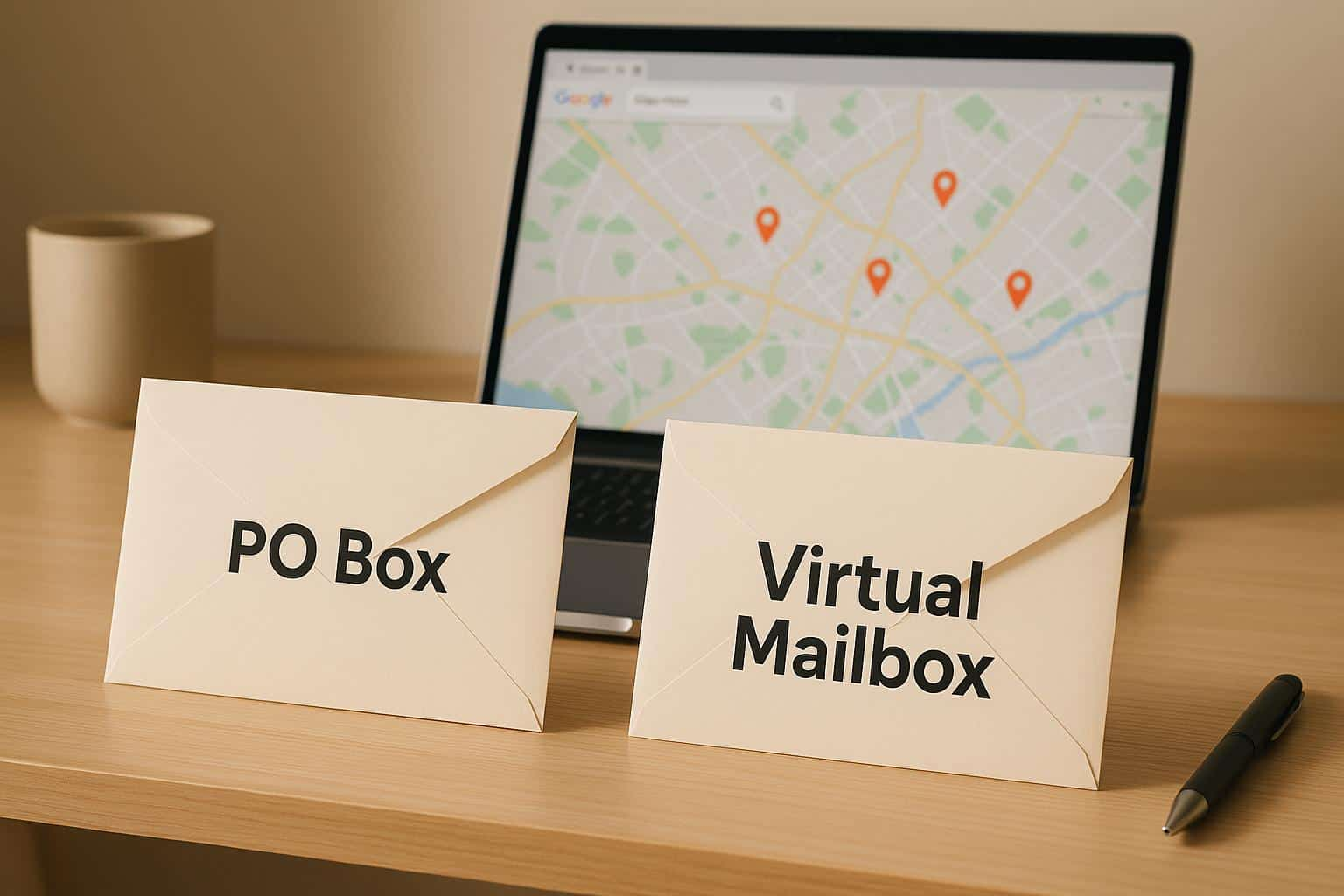
In today’s fast-moving world, how you receive and manage your mail matters more than ever. From important financial documents and legal notices to business correspondence and packages, reliable mail access is essential. However, traditional home mail delivery doesn’t always offer the privacy, security, or flexibility many people need. This is why alternatives like a P.O. Box, also known as a post office box, and the modern virtual mailbox have become increasingly popular.
While both options keep your mail secure and separate from your home address, they function very differently. Understanding how each works and which best suits your lifestyle or business can save you time, money, and frustration. Let’s explore the key differences to help you make an informed decision.
What Is a P.O. Box and How Does It Work?
A P.O. Box (Post Office Box) is a locked mailbox located inside a post office or an authorized postal facility. Instead of having mail delivered to your home or office, all your correspondence is routed to this box.
How a P.O. Box Works – Step-by-Step Guide
Renting a P.O. Box is a simple and secure way to manage your mail. When you sign up, the postal service assigns you a unique box number at a nearby post office. All mail addressed to this post office box is safely stored until you visit the location to retrieve it. Rental periods usually range from three months to one year, and renewing your rental ensures uninterrupted access to your mail.
Step-by-Step Guide :
Choose a convenient location: Pick a post office near your home, office, or travel route for easy access.
Select a box size: P.O. Boxes come in small, medium, or large sizes to accommodate letters, magazines, and packages.
Register with identification: Complete the application process and provide valid ID to confirm your identity.
Receive your box number and key: Gain secure access to your mail via a key or combination code.
Collect mail regularly: Visit during post office hours to retrieve letters and packages safely.
Renew rental as needed: Keep your P.O. Box active by renewing it for 3, 6, or 12 months.
Using a P.O. Box ensures your mail is secure, organized, and easily accessible, making it ideal for individuals, frequent travelers, and small businesses managing important correspondence.
Who Typically Uses a P.O. Box and Why ?
P.O. Boxes are popular among individuals and businesses that prioritize privacy protection, security, and reliable mail management.
Privacy-conscious individuals: Keeps home addresses private and protects personal information from public access.
People in shared or temporary housing: Ideal for students, renters, or people moving frequently.
Small businesses: Provides a secure address to separate personal and business mail.
Residents in areas with unreliable delivery: Ensures safe and predictable receipt of important letters and packages.
A P.O. Box allows users to manage their correspondence efficiently while protecting their home address from unwanted exposure.
What Are the Advantages and Disadvantages of a P.O. Box?
A P.O. Box is a secure mail solution offered by the postal service, providing a separate location for your mail instead of your home. While it has been a trusted option for decades, it comes with both benefits and limitations. Below is a detailed look at the advantages and disadvantages.
Advantages of a P.O. Box
Secure storage of mail
One of the primary benefits of a P.O. Box is the security it provides. Your mail is stored in a locked, monitored facility, reducing the risk of theft, loss, or damage. This is particularly valuable for sensitive documents, such as bank statements, legal notices, or personal correspondence. Unlike home mailboxes, which may be easily accessible, a P.O. Box ensures that only you or authorized individuals can access your mail.
Simple and familiar system
P.O. Boxes have been around for over a century, and their process is straightforward. You rent a box, have mail delivered there, and pick it up in person. No special technology or technical skills are required. For people who prefer a traditional, hands-on approach to mail management, the simplicity of a P.O. Box is a major advantage.
Privacy protection
Using a P.O. Box allows you to keep your home address private. This is especially useful for individuals who live in shared housing, temporary residences, or apartments. It also helps protect against unsolicited mail or potential privacy breaches. By using a P.O. Box, you ensure your personal address is not exposed to clients, online orders, or public records.
Variety of box sizes
P.O. Boxes come in multiple sizes, ranging from small boxes that can hold letters and magazines to larger boxes capable of storing packages. This gives you the flexibility to choose a box that fits your mail volume. Larger boxes are ideal for people who frequently receive parcels or shop online, while smaller boxes are sufficient for basic correspondence.
Predictable pricing for basic needs
Small P.O. Boxes are generally affordable, typically ranging from $20 to $30 per month, making them a cost-effective option for low-volume mail users. Rental prices depend on size, location, and duration, but for simple mail collection, a P.O. Box provides a reliable and predictable cost structure. This makes budgeting easy for personal or small business use.
Disadvantages of a P.O. Box
Requires in-person visits
To access your mail, you must physically go to the post office during its operating hours. This can be inconvenient if you have a busy schedule, live far from the post office, or travel frequently. Missing a trip could result in delayed access to important correspondence. For people who need constant or remote access to mail, this limitation can be a significant drawback.
Limited box sizes and package restrictions
While P.O. Boxes come in various sizes, smaller boxes fill up quickly and cannot hold large packages. Oversized parcels may require separate pickup at the counter, which adds extra time and effort. Larger boxes that can accommodate packages often cost significantly more, making high-volume mail management expensive and less convenient.
Not ideal for professional or business use
Using a P.O. Box for business correspondence can appear unprofessional to clients, vendors, or banks. Some financial institutions and online platforms may not accept a P.O. Box as a valid business address. For companies aiming to build credibility and trust, a street address is often preferred, which is something a P.O. Box cannot provide.
Access depends on post office hours
Most post offices have fixed operating hours, meaning your ability to collect mail is limited to those times. Unlike a digital solution where mail can be accessed anytime, a P.O. Box requires adherence to the post office schedule. In addition, some locations may not be open on weekends or holidays, further limiting convenience.
Extra cost for high-volume needs
While small boxes are affordable, larger boxes or boxes in high-demand locations can be expensive. Additional services like package forwarding, mail scanning, or extended storage are generally not included, requiring extra effort or cost. For users with high mail volume, this makes P.O. Boxes less scalable and practical.
What Is a Virtual Mailbox?
A virtual mailbox, sometimes referred to as a virtual post office box, is a digital mail management service that provides you with a real street address rather than a box number. Your mail is received at a secure facility and managed online.
How a Virtual Mailbox Works – Step-by-Step Guide
When you sign up for a virtual mailbox, you are assigned a real street address at a secure facility. All mail sent to this address is received by trained staff, who can handle it according to your preferences. Typically, the service includes photographing the envelope or package, notifying you via email or app, and giving you options to scan, forward, shred, or store the mail. Many services, including Boxfo, also provide package handling and consolidation for online orders. The entire process allows you to manage your correspondence remotely, anytime, without visiting a post office.
Who Typically Uses a Virtual Mailbox and Why
Virtual mailboxes are especially popular among remote workers, business owners, frequent travelers, and digital nomads. People who live in temporary residences or move frequently also benefit from having a stable mailing address. Businesses use virtual mailboxes to project a professional image with a real street address, receive packages from multiple carriers, and manage correspondence without the need for a physical office. Essentially, anyone who values accessibility, convenience, and mail organization over traditional mail pickup finds virtual mailboxes extremely useful.
What Are the Advantages of a P.O. Box?
A Virtual Mailbox is a modern mail solution that gives you a real street address at a secure facility while allowing you to manage your mail online from anywhere. Unlike a traditional P.O. Box, it combines physical mail handling with digital convenience, making it ideal for individuals, travelers, and businesses who value flexibility and control. Below is a detailed look at the advantages of using a Virtual Mailbox.
Advantages of a Virtual Mailbox
Access mail anytime, anywhere
Virtual mailboxes provide full remote access via desktop or mobile apps. You no longer need to visit a post office or work around operating hours. This makes it convenient for travelers, digital nomads, or anyone with a busy schedule. You can check incoming mail, track packages, and manage correspondence in real time, from anywhere in the world.Digital mail scanning and organization
Each mail item is photographed or scanned and uploaded to your online dashboard. You can view the envelope, request a full scan of the contents, and store it securely online. This makes it easy to keep track of important documents, search your mail history, and manage correspondence efficiently without physical clutter.Flexible mail and package handling
Virtual mailboxes allow you to forward, consolidate, or shred mail according to your needs. Packages from multiple carriers can be stored and combined before forwarding, which saves money on shipping. You also have the option to have mail securely shredded or recycled if it’s not needed, reducing clutter and ensuring privacy.Professional business address
Unlike a P.O. Box, a virtual mailbox provides a real street address that can be used for business registration, banking, eCommerce, and client correspondence. This enhances your professional image and is accepted by most banks, vendors, and platforms that do not accept P.O. Boxes.Enhanced privacy and security
Your home address remains protected, and mail is stored in a secure facility. With digital notifications and secure handling, you can avoid mail theft or loss. Virtual mailbox providers like Boxfo also use encryption and privacy protocols to ensure that sensitive documents remain confidential.Convenience and scalability
Virtual mailboxes are highly scalable for both individuals and businesses. Multiple users can access one account, and the service easily adapts to high mail volume. Whether you’re a growing business or a frequent traveler, the system is designed to provide maximum convenience without physical limitations.
P.O. Box vs Boxfo Virtual Mailbox: Side-by-Side Feature Comparison
When deciding how to manage your mail, it’s important to understand the key differences between a traditional P.O. Box and a modern virtual mailbox like Boxfo. While P.O. Boxes provide a secure, physical location for mail, they come with limitations in access, package handling, and professional use. Boxfo Virtual Mailbox offers a flexible, digital-first solution, allowing you to view, forward, or scan mail from anywhere in the world. The table below highlights the main features of each option, helping you make an informed choice based on your lifestyle, business needs, and mail volume.
P.O. Box vs Virtual Mailbox: Which Mail Solution Is Right for You?
Choosing between a traditional P.O. Box and a virtual mailbox depends largely on your lifestyle, work style, and the type of mail you receive. Both options offer privacy and security, but the flexibility, convenience, and features differ. Here’s a detailed breakdown for different types of users:
Travelers & Digital Nomads
For those constantly on the move, a virtual mailbox is the ideal solution. Unlike a P.O. Box, which requires physical visits to the post office, a virtual mailbox lets you access your mail online from anywhere in the world. You can view, scan, forward, or shred letters and packages without worrying about missing deliveries while traveling. This flexibility ensures that even if you’re abroad or on the road, your mail is managed efficiently and securely.
Remote Businesses
If you run a business remotely, a real street address is essential for professionalism and credibility. A virtual mailbox provides this address along with additional tools like mail scanning, notifications, and package forwarding. This allows businesses to handle client correspondence, legal documents, and shipments without maintaining a physical office. In contrast, a P.O. Box may appear unprofessional to clients and vendors, limiting its suitability for modern businesses.
Low-Mail Users
If you receive only a small volume of mail, a P.O. Box may still be sufficient. Small boxes are affordable and easy to manage, especially if the post office is conveniently located near your home or office. However, access is limited to post office hours, and any oversized packages will require separate handling. For casual mail users who prioritize cost over convenience, a P.O. Box remains a viable option.
Privacy-Focused Users
Both P.O. Boxes and virtual mailboxes protect your home address, keeping personal information private. However, a virtual mailbox offers added digital control, allowing you to manage your mail online, track deliveries in real time, and even securely shred sensitive documents. This extra layer of privacy and control makes virtual mailboxes particularly appealing for people concerned about security or handling confidential correspondence.
Get a Smarter Alternative to a P.O. Box with Boxfo Virtual Mailbox
Tired of trips to the post office, limited access hours, or paying high fees for a basic P.O. Box? Boxfo Virtual Mailbox offers a smarter, modern solution. With a real street address, secure mail handling, and 24/7 online access, you can manage all your correspondence from anywhere.
Boxfo allows you to:
View mail instantly with envelope images and scanned contents
Forward or consolidate packages nationwide and internationally
Maintain a professional business address accepted by banks, vendors, and clients
Securely shred or recycle unwanted mail
Whether you’re a business owner, remote worker, traveler, or privacy-conscious individual, Boxfo gives you control, flexibility, and convenience all from a single online dashboard. Stop searching for “po boxes near me” and start managing your mail the modern way.
Get started with a Boxfo virtual mailbox today and experience the smarter way to manage your mail.